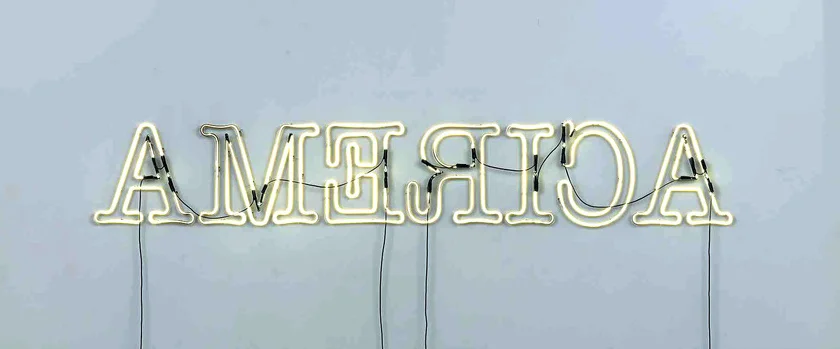
Can Art Change the Future for Racial and Ethnic Identity? A Roundtable Conversation
SEP 8TH, 2015
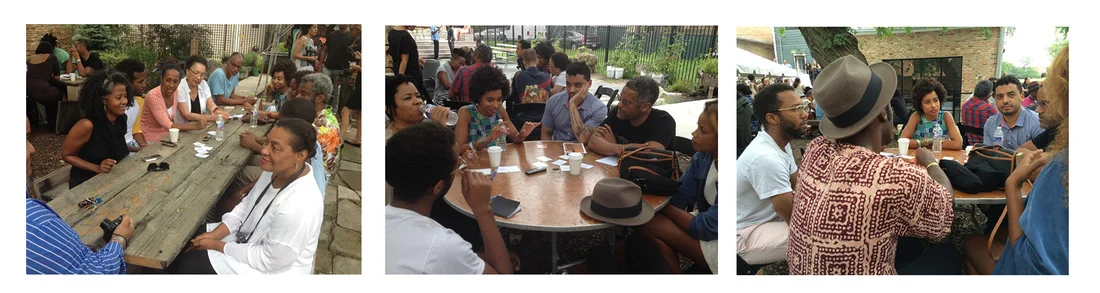
Welcome to the Black Lunch Table: Jina Valentine and Heather Hart on Creating Space for Communities of Color in the Art World
JAN 17TH, 2016
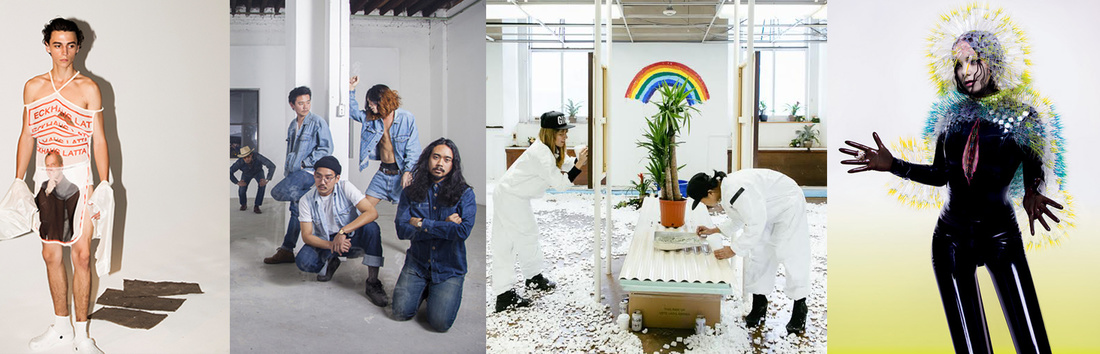
10 Artists Who Defied Classification in 2015
DEC 26TH, 2015
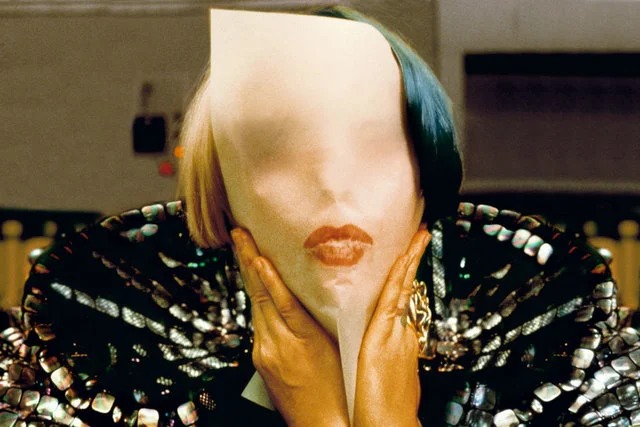
From Chris Burden to ORLAN, How 8 Artists Took Their Work to the Extreme
APR 11TH, 2016
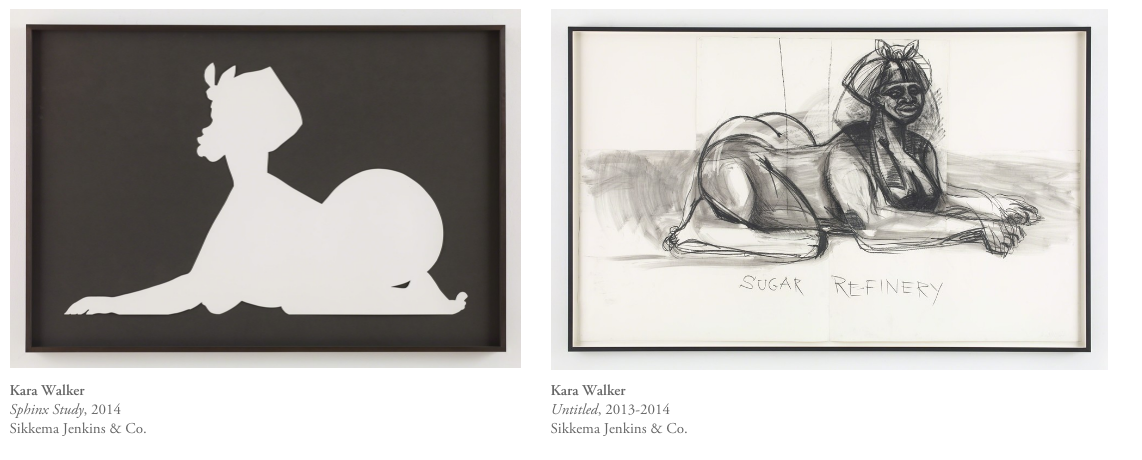
These Sketches Reveal the Processes of 8 Iconic Artists, from Pablo Picasso to Judy Chicago
APR 19TH, 2016
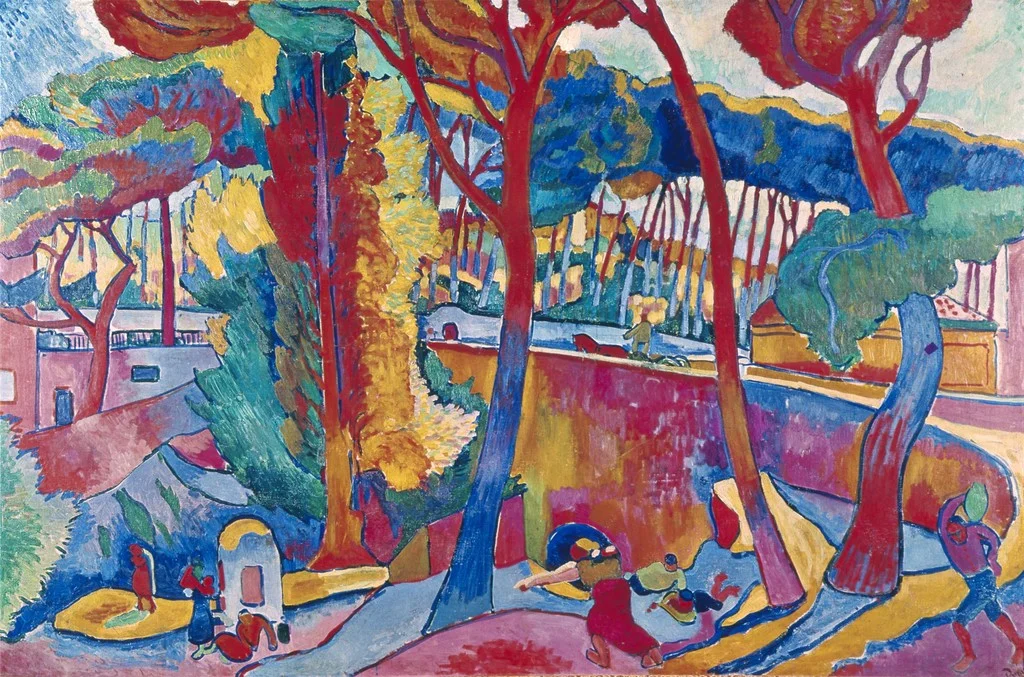
Radical Color and Wild Beasts: Matisse, Derain, and the Friendship that Defined Fauvism
NOV 13TH, 2014
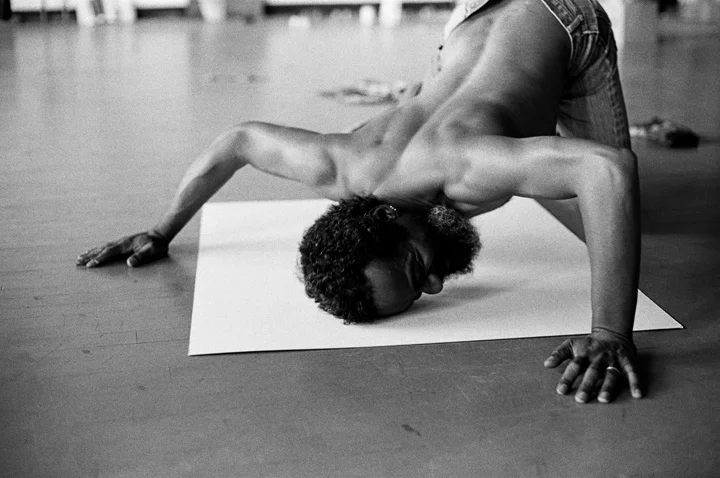
Artwork Spotlight: David Hammons’s 1970 'Black First, American Second'
NOV 10TH, 201
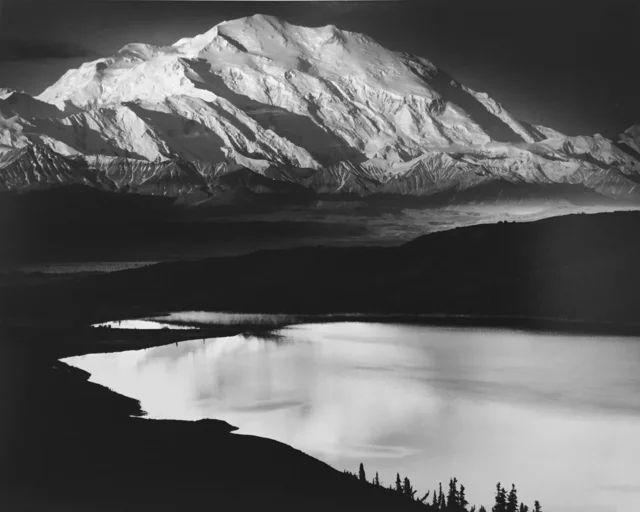
How Ansel Adams and the Photography Group f/64 Found “Pure” Photography
JAN 29TH, 2015
Additional Clips:
LANDSCAPING FINE ARTS: ART.SY, The College Hill Independent, November 16 2012
EARLY VOTERS, The College Hill Independent, November 2 2012
WITHERING BYTES, The College Hill Independent, September 21, 2012
ART OF BARTER, The College Hill Independent, April 9, 2011
GOOGLE GIVETH. GOOGLE TAKETH AWAY, The College Hill Independent March 6, 2011
MUSEUMS HELD HOSTAGE, The College Hill Independent, February 14, 2011
Featured Clip:
PHENOMENAL LISTENING, The College Hill Independent, December 8, 2012
“All I know about music is that not many people ever really hear it. And even then, on the rare occasions when something opens within, and the music enters, what we mainly hear, or hear corroborated, are personal, private, vanishing evocations. But the man who creates the music is hearing something else, is dealing with the roar rising from the void and imposing order on it as it hits the air. What is evoked in him, then, is of another order, more terrible because it has no words, and triumphant, too, for that same reason. And his triumph, when he triumphs, is ours.” — James Baldwin “Sonny’s Blues”
This past week, the stage of the Martinos Auditorium in the Granoff Center for the Creative Arts was occupied by artists, musicians, and writers, gathered before crowded audiences for the performance series, Close Encounters. Jazz pianist Jason Moran and drummer Charles Haynes led a master-class on the first evening, poets Kevin Young, Evie Shockley, and Terrence Hayes participated in discussions and read their work on the following evening, and the series concluded with a performance by longtime collaborators, pianist Vijay Iyer and hip hop artist Mike Ladd.
What all seven artists share is a willingness to traffic in the spaces between artistic disciplines while also staking a claim on the personal and public history of Black master musicianship and writing. Drawing on sources like the blues, hip-hop, black vernacular, and visual artists like Jean Michelle Basquiat, these artists’ work function as re-tellings and re-makings of an already voiced articulation of black culture.
“If a black person is alone in a forest, are they still a black person?” — Kevin Young
There’s a form of canonization implicit in these three evenings, an effort at identifying a shared and sustained practice in Black music and Black writing. But it is not that the Close Encounters artists, who are predominantly Black, have been cornered into an artistic and cultural heritage they might not have any stake in. Rather, they demonstrated an explicit interest in the racial politics of their work and seemed to orient themselves around a legacy of black artistry. Moran and Haynes punctuated the first evening’s master class with explosive periods of improvised music. As they played they shared looks, grooved in their chairs, and sat back and smugly watched the other play on. There were moments in which Haynes threw back his head and laughed.
The deliberate spontaneity of improvising in music, especially jazz, means that neither the listener nor, to some extent, the player can anticipate the next musical progression, chord, or rhythm change. Hearing Haynes and Moran improvise together, pushing the composition’s formal constraints, the two jazzmen became both creators and witnesses of their own performance. That what they produced was cohesive music makes it clear why its so often difficult to explain musical improvisation without thinking something more cosmic and thus unquantifiable is occurring on stage.
“You little bag of … sugar” — Terrance Hayes
For Hayes, Shockley, and Young, fulfilling or frustrating the listener’s expectations is their way of intervening in the going-through-the-motions approach that often impedes critical or meaningful public reflection on African-American history across disciplines. “There is a certain tiredness to this history,” Shockley pointed out during the second evening’s roundtable discussion. “Yes, Slavery. Yes, Jim Crow. We know. We know.”
In musical dissonance, the refusal to be harmonic often sounds good or a player’s refusal to resolve a phrase can become precisely the moment you listen for. Similarly, the exploitation of register and linguistic tropes, rules and expectations that we have when hearing words, can provoke a very new form of hearing.
“We are not responsible… for your lost or stolen relatives” — Harryette Mullen
It is in the pause between expectation and the deference of that expectation that Young, Haynes, and Shockley carve out a space for newness in their poems, for a reconsideration or re-determination of certain boundaries of language that we take for granted
“fork. fork. fork. fork. fork. fork. fork. fork. fork. fork. fork. fork. fork. fork. fork. fork. fork. fork..” — Terrance Hayes
At the end of the first evening’s master class Moran sat back from his piano, “I’d like to play something for you.” Pressing a button on the top of the keys, a recording of Billie Holiday’s Big Stuff was introduced into the room. Sitting in the audience on all three evenings, I was in the grip of these close musical, lyrical, and cultural encounters. I was markedly aware of how people listen, the postures and facial expressions that listening provokes: you sit back in your seat, you cross your legs and turn your body in, you lean forward, open your mouth, cast your eyes up.
Norman Mailer described jazz as orgasm: the jazzman blows and the listeners come together. Listening to Holiday with Moran with the audience, no description could be more accurate. — OF